L'ambasciatore del formaggio italiano nel mondo


Valtellina Casera D.O.P.
Formaggio semigrasso, di media e lunga stagionatura, a pasta semidura e dura.
Tipico della valle che gli dà il nome, nella provincia di Sondrio, viene prodotto con latte di vacca parzialmente scremato. La tecnica casearia è tipica dei formaggi alpini. Stagiona almeno 70 giorni, dopodiché viene marchiato a fuoco. È un formaggio semigrasso a media e breve stagionatura, da tavola. Se stagionato l'intensità aromatica e l'odore sono mediamente intensi.
Organismo di controllo della D.O.P.

Scheda analitica
Zona di produzione
- Lombardia
Territorio di produzione
Lombardia, tutta la provincia di Sondrio.
Origine
- Latte di Vacca
Periodo di produzione
Forma e dimensione
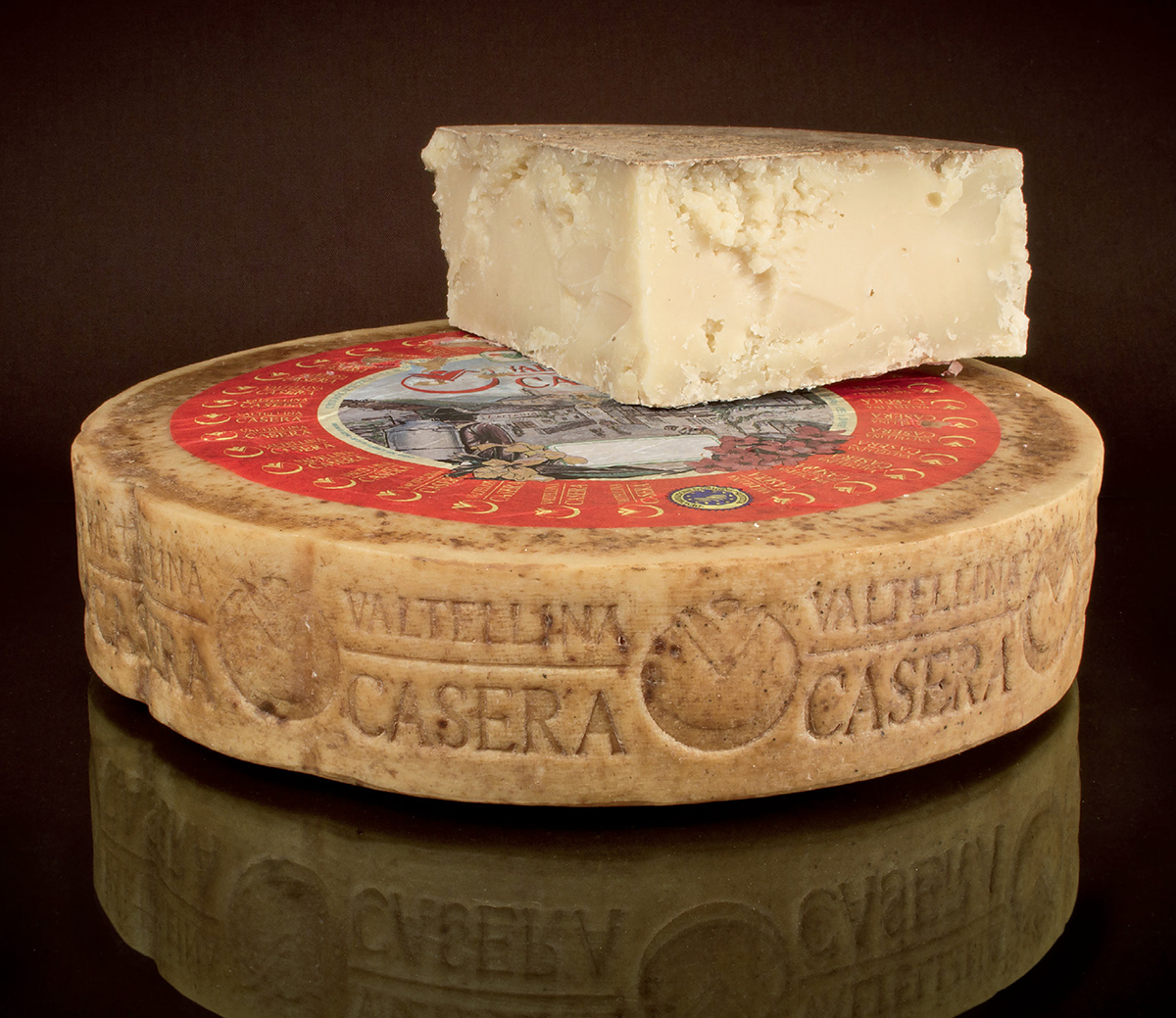
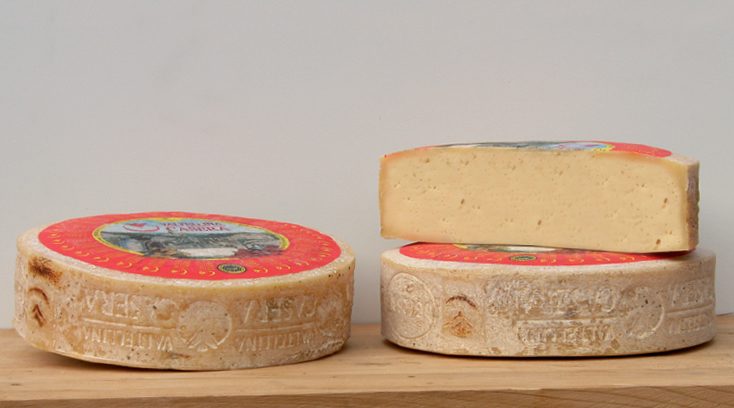
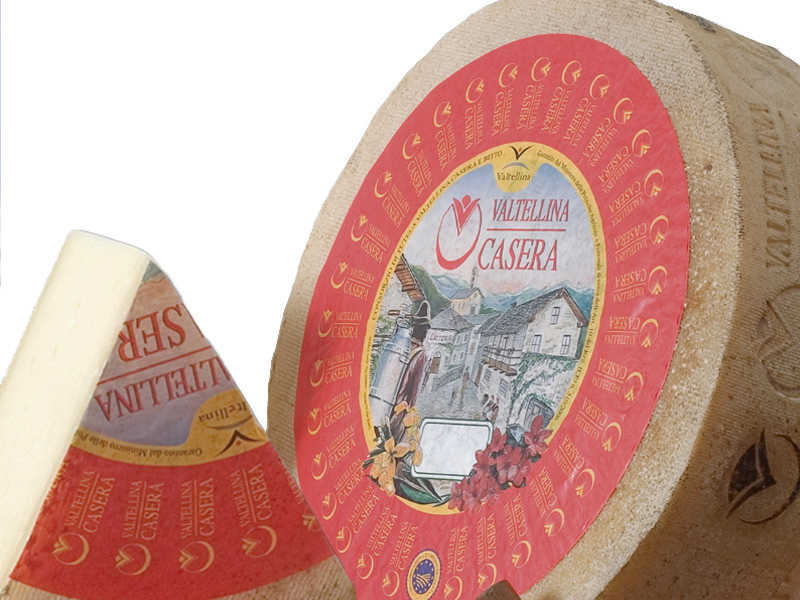
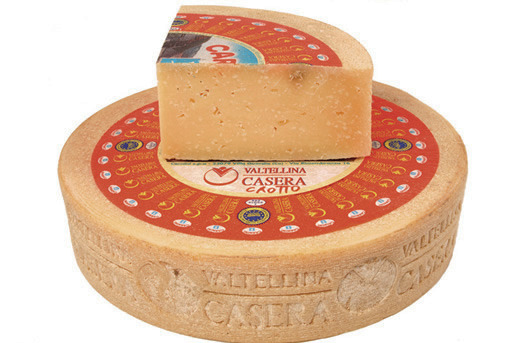
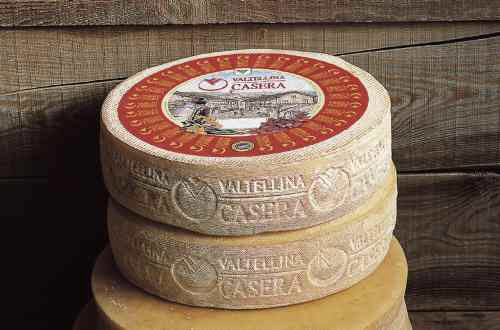
Forma cilindrica con facce piane del diametro di 30-45 cm, scalzo diritto, alto 8-10 cm, peso che varia fra 7 e 12 kg.
Storia
E' nato alla fine del Settecento, ma il nome attuale ha origini più recenti. Al tempo gli allevatori univano il loro latte per operare una lavorazione collettiva nelle Latterie sociali, risparmiando e condividendo momenti di vita.
Tipologia di formaggio per tipo di lavorazione
Pasta dura, Pasta semidura
Tecnologia di lavorazione
Il latte di due o più mungiture, parzialmente scremato per affioramento, viene coagulato con caglio di vitello. La cagliata, presamica, subisce una rottura alle dimensioni di un chicco di mais e poi, sotto agitazione, viene semicotta a 40-45°. Dopo l’estrazione, la pasta trova posto in fascere di legno o di plastica. Le forme vengono pressate per 8-12 ore. Salatura a secco o in salamoia.
Maturazione/Stagionatura
Almeno 70 giorni, dopo di che viene marchiato a fuoco.
Caratteristiche del formaggio
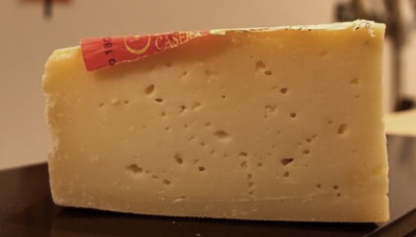
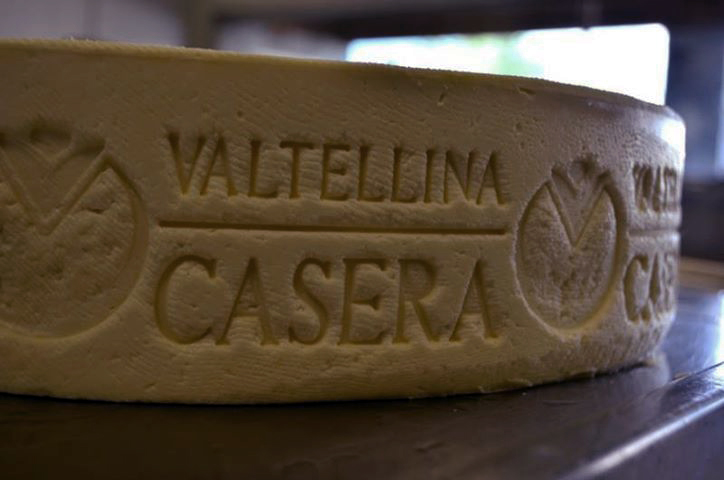
La crosta è dura, di colore paglierino che con la stagionatura tende a scurire. La pasta dipende dalla stagionatura, può essere semidura o dura e si presenta compatta, di colore paglierino, più intenso con la stagionatura. L'occhiatura è rada, fine e distribuita in modo regolare.
Tipologia di formaggio al consumo
Formaggio semigrasso, di media e lunga stagionatura, a pasta semidura e dura.
Intensità aromatica e sensazioni
Medio bassa a breve stagionatura e medio alta a lunga stagionatura.
Abbinamenti
Formaggio da tavola. Per tradizione, è l'ingrediente base dei Pizzoccheri e serve a farcire gli Sciatt. Si usa per il pancake di grano saraceno e verdure. Si accosta a vini di vallata o a un Sassella Negri.
Valori nutrizionali per 100 gr
- Valore energetico
371 Kcal - Grassi
28 g - Proteine
28,85 g
Note
La Valtellina ha un’esposizione anomala (ovest-est) rispetto al resto delle valli dell'arco alpino. Ciò influenza notevolmente la crescita vegetale che le lattifere assumono come alimentazione. Di conseguenza, anche il formaggio ne risente positivamente.
Galleria fotografica
Ricette
-
TORTA DI S. PIETRO
Bollire le coste. Impastarle con l'erba di S. Pietro tritata, la farina nera, il sale, l'acqua e una...
-
TAROZ
Far bollire in acqua le patate sbucciate con i fagiolini. Cuocere bene e mescolare. Con un cucchiaio...
-
TAJADIN DULZ DE VILLA CON VALTELLINA CASERA D.O.P.
Mescolare le 2 farine e lavorare l’impasto aggiungendo l’uovo, l’acqua e un pizzico di sale. Tirare...
-
TAIADIN DI VILLA
Preparare le tagliatelle impastando le farine, il tuorlo d'uovo, acqua e sale. Cuocerle in abbondante...
-
SCIATT
Mescolare le farine, amalgamarle con acqua sino ad ottenere un impasto non troppo morbido. Tagliare il...
-
PIZZOCCHERI DI TIRANO
Con le farine, il sale e un po' d'acqua preparare una pasta morbida (di più rispetto alla versione originale...
-
PIZZOCCHERI DI GRANO SARACENO ALLA MANIERA DI SONDRIO
Impastare la farina con latte e uova; fatta la sfoglia, ricavarne tagliatelle un poco piú corte di quelle...
-
CHISCIOI
In una zuppiera mescolare le farine con un po' d'acqua, la birra e la grappa. Si ottiene un impasto simile...

Questo articolo è fantastico, lo condividerò su Facebook 🙂