L'ambasciatore del formaggio italiano nel mondo


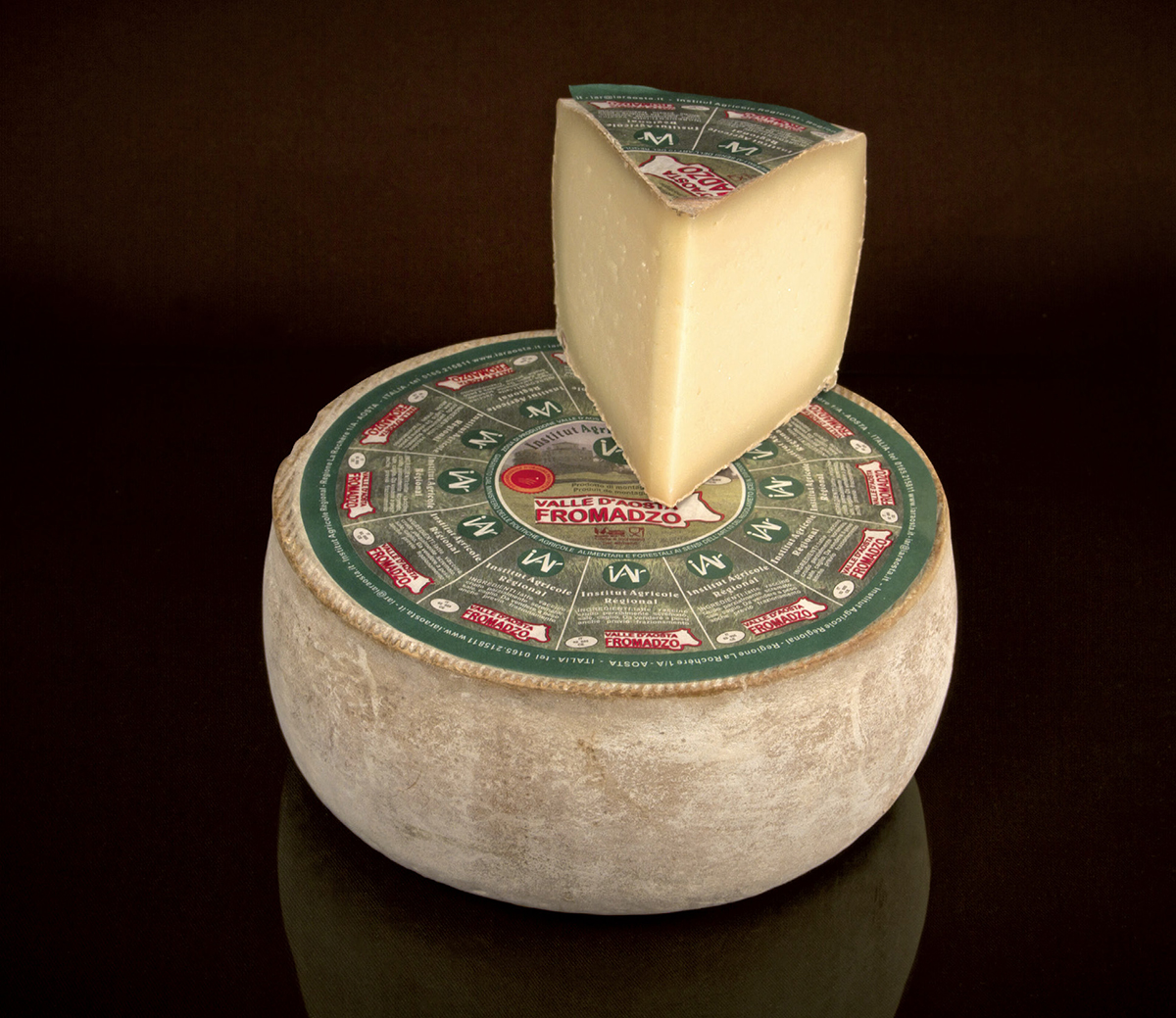
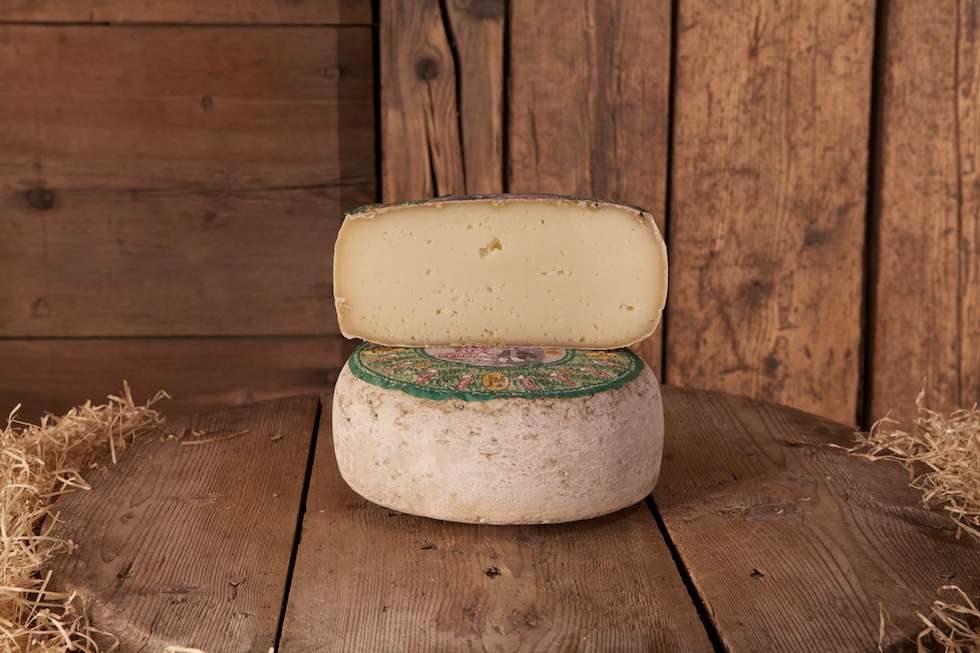
Valle d’Aosta Fromadzo D.O.P.
Formaggio magro o semigrasso, di media o lunga stagionatura, a pasta semidura.
Formaggio nato a completamento della cultura casearia della Valle d'Aosta. Infatti, diversamente dalla Fontina D.O.P., è semigrasso o a basso contenuto di grasso. Proviene da latte di vacca, eventualmente addizionato con una piccola percentuale di latte di capra. La maturazione minima è di 60 giorni e può stagionare fino a 10 mesi. Possono essere aggiunte erbe tipiche della montagna.
Organismo di controllo della D.O.P.
Scheda analitica
Zona di produzione
- Valle d'Aosta
Territorio di produzione
Tutta la regione Valle d'Aosta.
Origine
- Latte di Capra
- Latte di Vacca
Periodo di produzione
Forma e dimensione
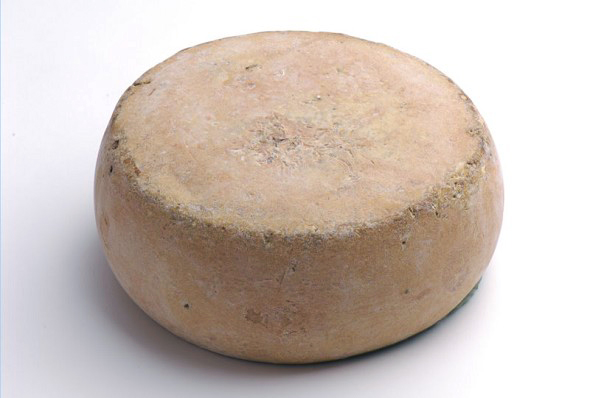
Forma cilindrica con facce piane o leggermente convesse del diametro di 15-25 cm, lo scalzo, diritto o leggermente convesso, è di 5-20 cm, peso che varia da 1 a 7 kg.
Storia
Nacque nel 1965, quando, durante l'occupazione francese, fu emanato un editto con il quale si ordinava a coloro che gestivano gli alpeggi di non produrre formaggi grassi, ma burro e formaggi magri. Nel 1902 venne definito “fromage maigre et fromage commun”, magro e ordinario.
Tipologia di formaggio per tipo di lavorazione
Pasta semidura
Tecnologia di lavorazione
Nella tipologia Semigrassa si lascia riposare il latte per 12-24 ore, mentre nella tipologia a Basso contenuto di grasso per 24-36 ore. In seguito alla scrematura, può essere aggiunta una piccola parte di latte di capra. Il latte viene inoculato con lattoinnesto o fermenti autoctoni. La coagulazione, presamica, avviene con caglio di vitello. La cagliata viene tagliata e ridotta alle dimensioni di un chicco di riso, poi semicotta. L'estrazione della pasta si completa con l’inserimento in fascere. Segue, eventualmente, la pressatura.
Maturazione/Stagionatura
Minimo 60 giorni, massimo 10 mesi.
Caratteristiche del formaggio
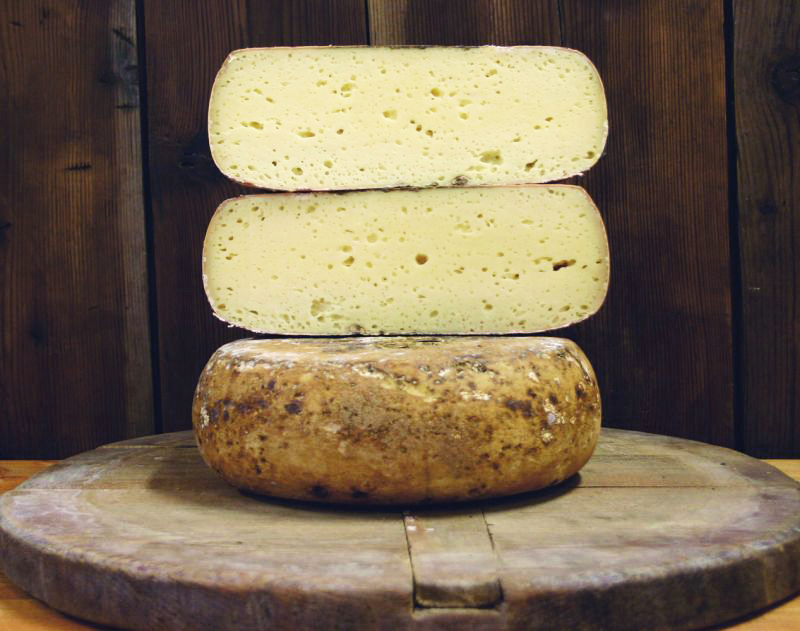
La crosta è dura, ruvida, dal colore paglierino tendente al grigio, con la stagionatura assume sfumature rossastre. Pasta compatta, abbastanza dura, di colore bianco o paglierino. L'occhiatura è distribuita in modo uniforme in dimensioni fini medie. Con la stagionatura la pasta può diventare friabile.
Tipologia di formaggio al consumo
Formaggio magro o semigrasso, di media o lunga stagionatura, a pasta semidura.
Intensità aromatica e sensazioni
Media.
Abbinamenti
Da pasto, nelle minestre e nelle zuppe, così come si accompagna a marmellate di frutti di bosco. Si degusta con un vino rosso valdostano.
Note
E’ consentita anche la denominazione in francese. Può essere aromatizzato con semi o bacche selvatiche.
