L'ambasciatore del formaggio italiano nel mondo


Pecorino Romano D.O.P.
Formaggio a pasta grassa, dura, di media e lunga stagionatura.
Prodotto dal nome caratteristico che però non identifica la capitale d'Italia ma la storia, in particolare quella dell'esercito dei Romani. È fatto con latte di pecora nelle regioni Lazio e Sardegna, nonché nella provincia di Grosseto, in Toscana. Il periodo di stagionatura è di 5 mesi e, in alcuni casi, nel Lazio, avviene in grotte di tufo Etrusco-Romane. Possiede una medio elevata intensità aromatica. Particolarmente riconoscibile per l’elevato sapore salato.
Organismo di controllo della D.O.P.

Scheda analitica
Zona di produzione
- Toscana
- Lazio
- Sardegna
Territorio di produzione
Lazio e Sardegna tutto il territorio. Toscana per la provincia di Grosseto.
Origine
- Latte di Pecora
Periodo di produzione
Forma e dimensione
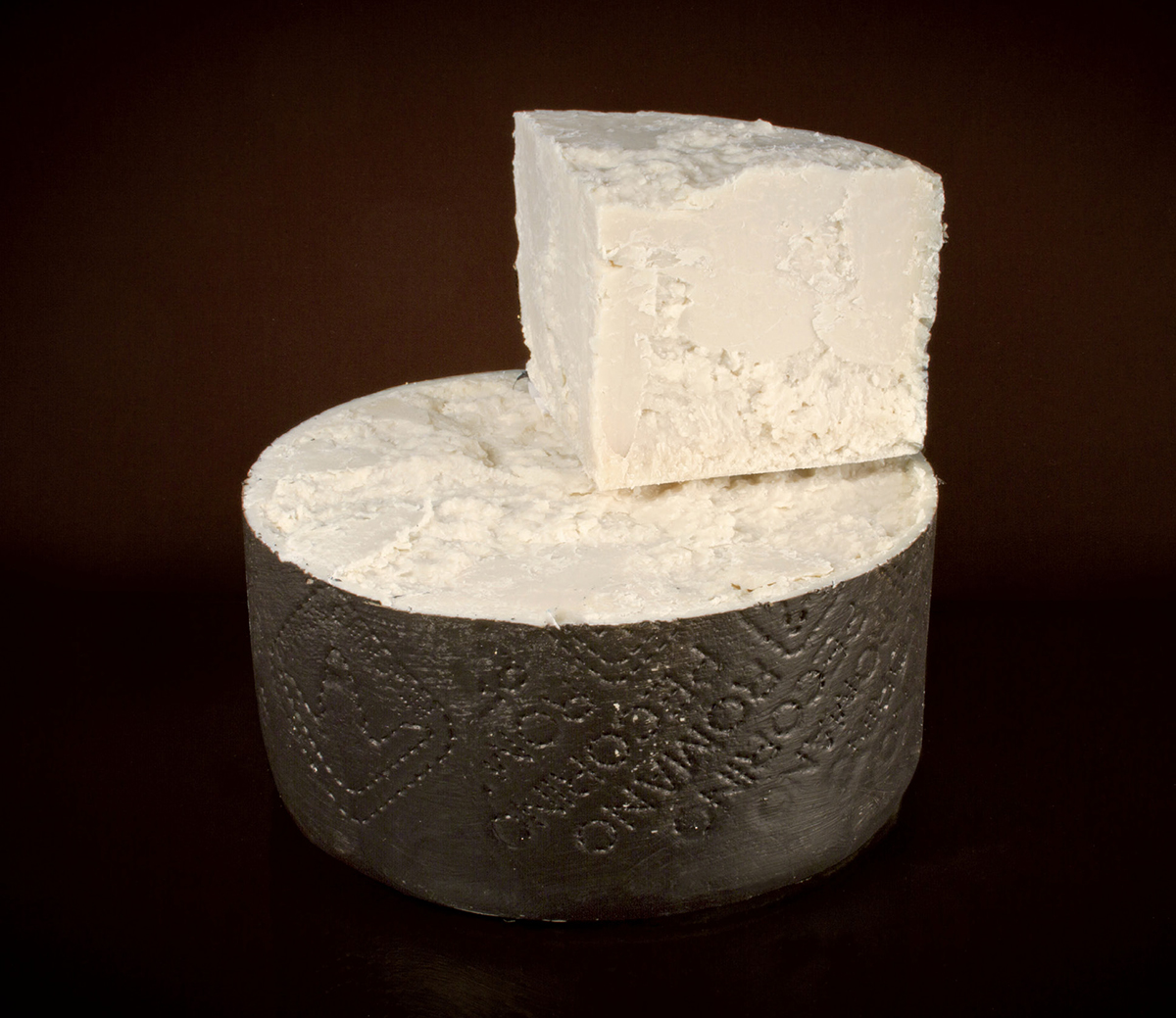
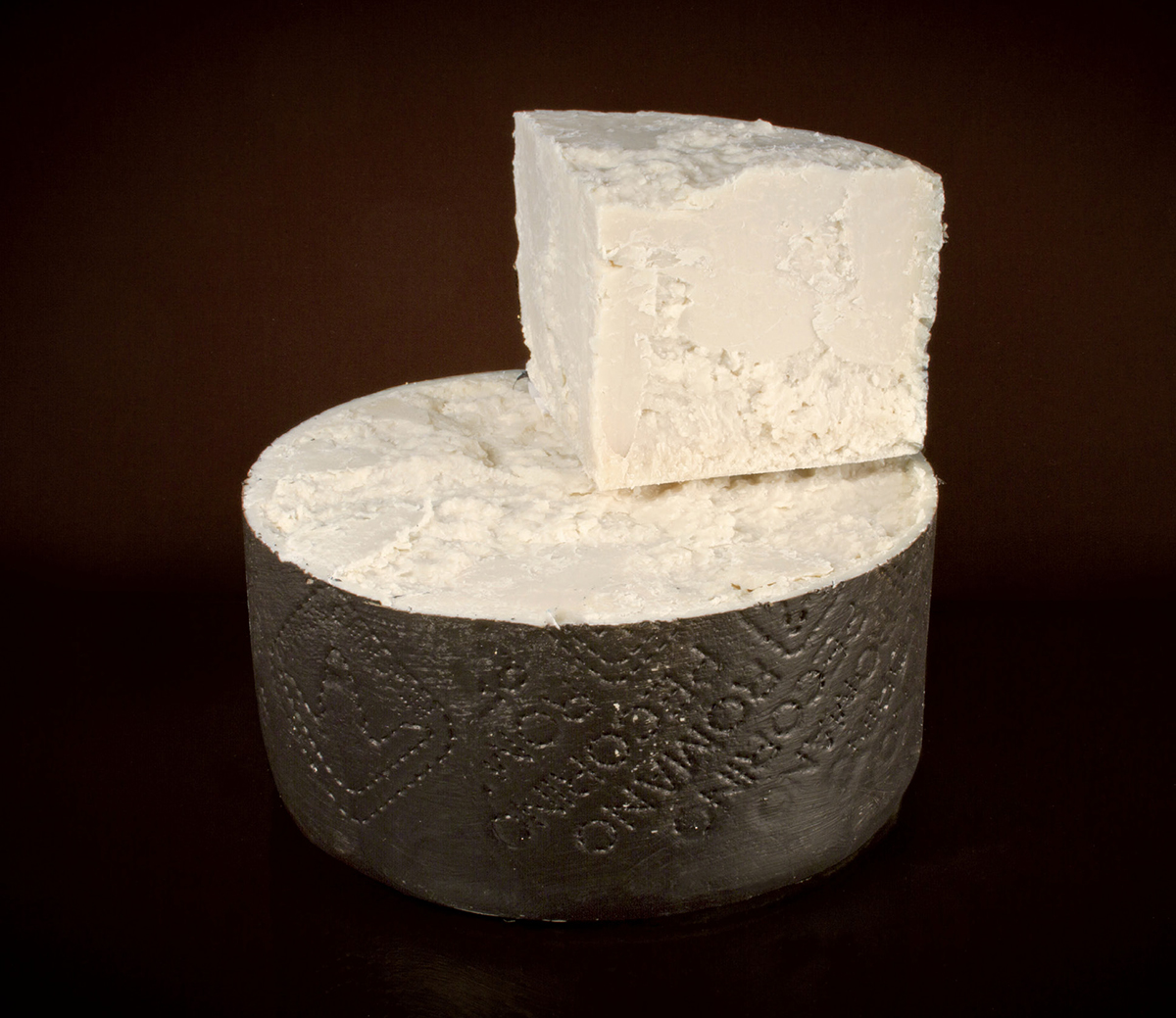
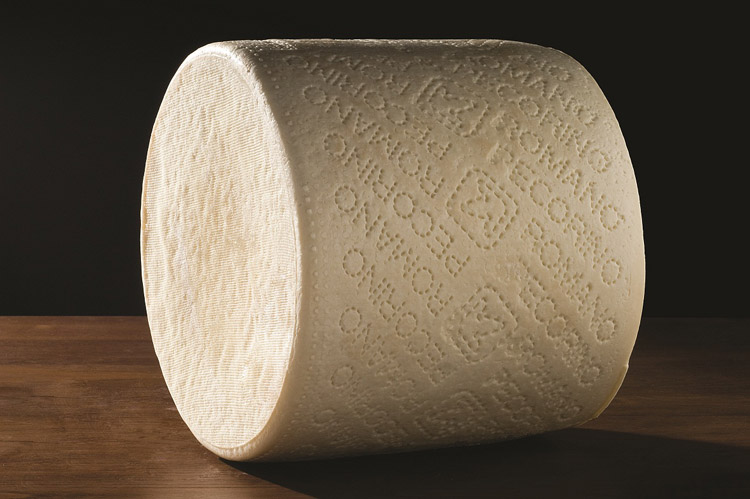
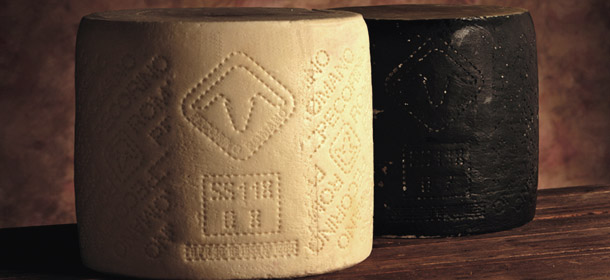
Cilindrica con diametro di 25-35 cm, scalzo alto 25-40 cm. Il peso varia da 20 a 35 kg.
Storia
E' un formaggio che ha oltre 2000 anni di storia. Arricchiva i banchetti degli imperatori e veniva considerato un nutrimento molto importante per i legionari romani, cibati e rinvigoriti proprio con questo formaggio che, per l'abbondante contenuto di sale, aveva la caratteristica di mantenersi a lungo.
Tipologia di formaggio per tipo di lavorazione
Pasta dura
Tecnologia di lavorazione
Al latte crudo o termizzato viene aggiunto lo scottainnesto proveniente dalla lavorazione precedente. La coagulazione, presamica, avviene con caglio di agnello proveniente dal territorio di produzione. La cagliata viene tagliata alle dimensioni di un chicco di riso e successivamente semicotta o cotta a 45-48°. Dopo l'estrazione e la pressatura in fascere marchianti, si salano le forme, a secco o in salamoia.
Maturazione/Stagionatura
Dura 5 mesi, almeno 8 per il formaggio da grattugia. Può avvenire in celle a temperatura e umidità controllate o in grotte di tufo Etrusco-Romane, in modo particolare nelle province laziali.
Caratteristiche del formaggio
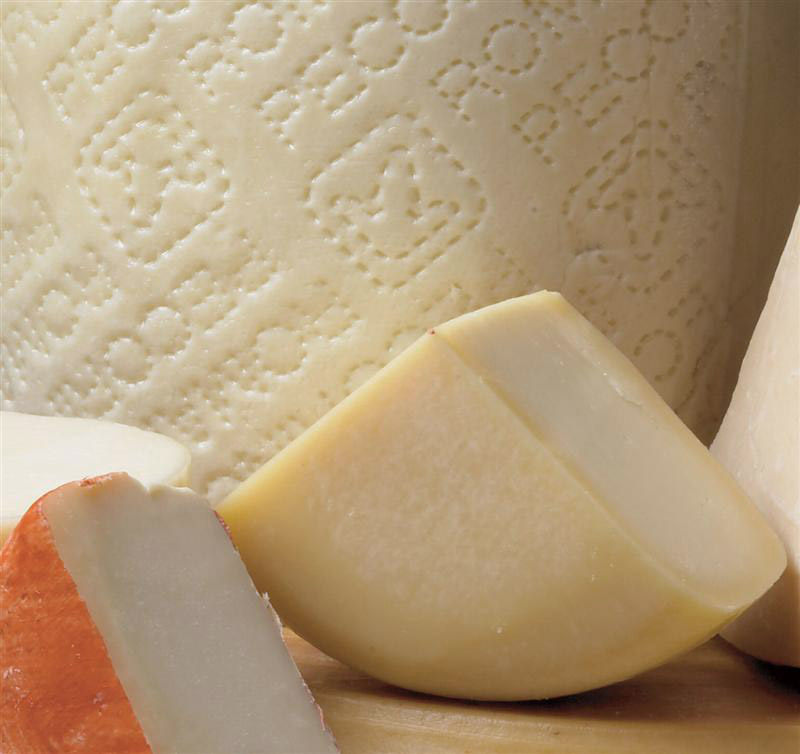
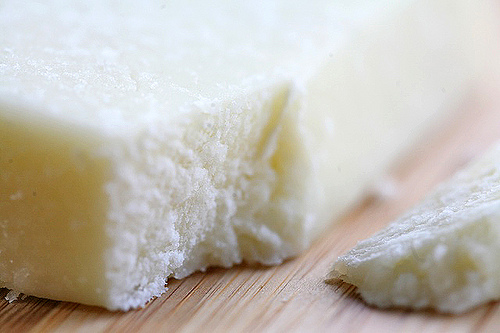
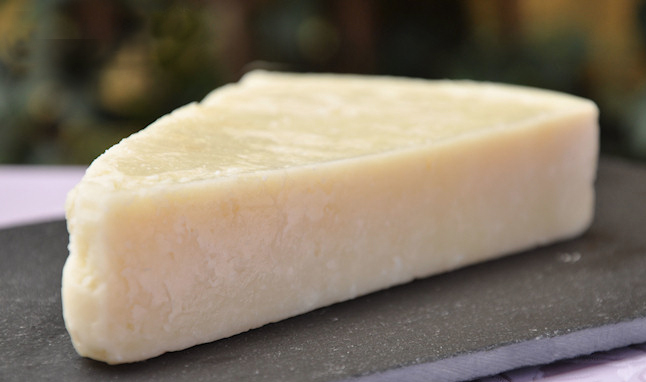
Ha dimensione cilindrica con facce piane e scalzo diritto. La crosta è molto sottile o inesistente, untuosa, di colore avorio o paglierino scarico Può essere cappata da una sottile pellicola nera o trasparente. La pasta è dura, compatta, friabile con la stagionatura. Di colore bianco o avorio, può avere occhiatura molto fine, fitta ed è regolarmente distribuita.
Tipologia di formaggio al consumo
Formaggio a pasta grassa, dura, di media e lunga stagionatura.
Intensità aromatica e sensazioni
Media o medio elevata con la stagionatura. Nota tipica di questo Pecorino è l'abbondante presenza di sale.
Abbinamenti
Si può degustare da solo o con il pane senza sale, abbinato alle verdure, ai legumi o alle insalate. Utilizzato anche come formaggio da grattugia e per arricchire i piatti della cucina romana. Eccellente come condimento per il pesto. I vini rossi consigliati per il meno stagionato sono il Velletri rosso e il Cesanese del Piglio; per quello più stagionato il Velletri rosso, il Brunello di Montalcino e il Carignano del Sulcis Rosso.
Valori nutrizionali per 100 gr
- Valore energetico
385 Kcal - Grassi
39,50 g - Proteine
31,86 g
Note
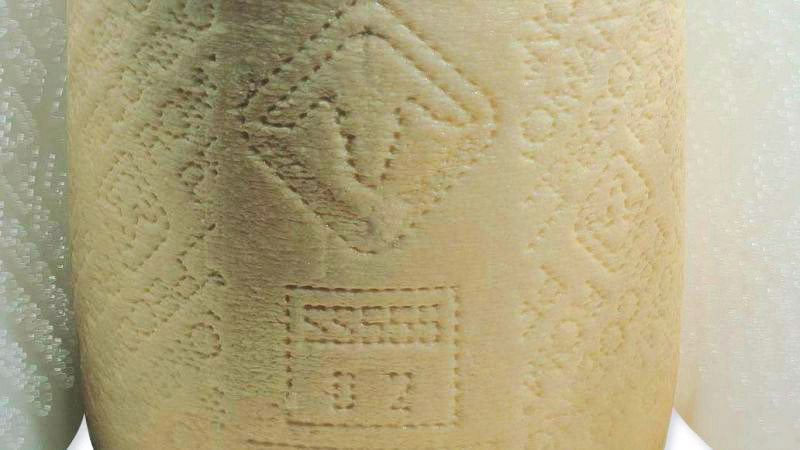
È consentito aggiungere alla marchiatura, che deve comunque imprimere la denominazione "Pecorino Romano", anche la provenienza del formaggio: Lazio, Sardegna o Grosseto.
Galleria fotografica
Ricette
-
RAVIOLI CON PECORINO ROMANO D.O.P.
Lavorare la pasta, tirare delle sfoglie sottili e stenderle. Dopo aver lavorato e amalgamato il ripieno,...
-
MARITOZZO CON PECORINO ROMANO D.O.P. E SALSICCIA
Per il maritozzo: impastare la farina aggiungendo il lievito già precedentemente sciolto nel burro,...
-
CANDELE CON PECORINO ROMANO D.O.P. E PESCE BIANCO
Pulire il merluzzo, lavarlo, sfilettarlo e tagliarlo a pezzetti. Lavare le zucchine e tagliarle a cubetti....
